

How long does it take to become a Licensed Hairstylist in Ontario?
Written By Ahmed Rashed
Thinking about becoming a licensed hairstylist in Ontario? It’s an exciting, creative, and in-demand career path in Canada’s beauty industry. If you’re wondering how long it takes to become a certified hairstylist in Ontario, here’s everything you need to know about training requirements, apprenticeship pathways, licensing exams, and certification timelines in Ontario regulations.
Hairstylist is a Compulsory Trade in Ontario
In Ontario, hairstyling is classified as a compulsory trade. This means you must either:
- Hold a valid Certificate of Qualification (C of Q), or
- Be registered as an apprentice
to legally work as a hairstylist in Ontario.
Because it is a regulated trade, proper training and certification are mandatory before working professionally in salons, spas, or as an independent hairstylist.
Pathway to Becoming a Licensed Hairstylist in Ontario
- Enroll in a Hairstyling Program at a Career College
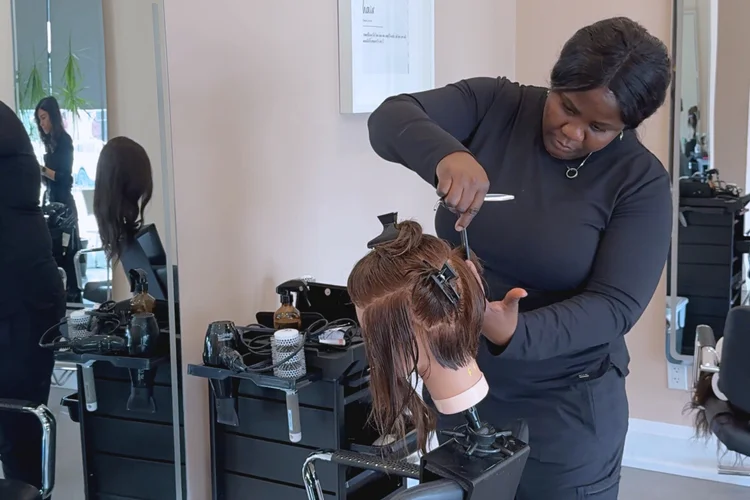
Most aspiring hairstylists in Ontario begin by enrolling in a Ministry-approved hairstyling diploma program, such as the program offered at Chellsey Institute of Beauty & Health.
Program Duration:
Typically around 1,500 hours, which equals approximately 44 weeks of full-time training.
During your hairstyling course, you will learn:
- Hair cutting and advanced styling techniques
- Hair coloring and chemical services
- Texture services (perms and relaxers)
- Scalp and hair treatments
- Client consultation and communication
- Sanitation, infection control, and health & safety standards
- Salon professionalism and business basics
After completing your diploma program, you can register for the licensing exam.
Final Step: Certificate of Qualification (C of Q) Exam
To become fully licensed in Ontario, you must pass the Certificate of Qualification (C of Q) exam.
This is a multiple-choice exam that tests your knowledge of:
- Hairstyling theory
- Practical techniques
- Health and safety regulations
- Trade standards
Once you pass the exam, you are officially licensed to work as a hairstylist anywhere in Ontario—and your certification is recognized across Canada through interprovincial standards.
How Long Does the Entire Process Take?
For most students, the timeline looks like this:
- Hairstyling diploma program: ~44 weeks
- Exam preparation and scheduling: A few additional weeks
Total estimated time: Approximately 1 year to become a licensed hairstylist in Ontario.
Timelines may vary depending on full-time or part-time study options and exam scheduling availability.
Career Opportunities After Licensing
Once licensed, you can work in:
- Hair salons
- Beauty spas
- Bridal and event styling
- Film and fashion industries
- Self-employment or salon ownership
The demand for skilled hairstylists in Ontario continues to grow, making it a stable and rewarding career choice in Canada’s beauty and wellness sector.
Ready to Start Your Hairstyling Career?
The Hairstyling Program at Chelsey Institute provides hands-on training, real salon experience, and expert instruction to prepare you for the Certificate of Qualification exam with confidence.
With a supportive learning environment and career-focused education, you’ll graduate ready to enter Ontario’s competitive beauty industry.
Want to learn more or book a campus tour? Contact us today to take the first step toward your licensed hairstylist career in Ontario.
Frequently Asked Questions (FAQs)
How many hours are required to become a hairstylist in Ontario?
Yes. You must pass the Certificate of Qualification (C of Q) exam to legally work as a licensed hairstylist in Ontario.
No. Hairstyling is a compulsory trade in Ontario, meaning you must be licensed or registered as an apprentice to work legally.
Yes. Ontario’s certification aligns with interprovincial standards, allowing licensed hairstylists to work in other provinces, subject to local regulations.
Income varies based on experience, location, and clientele. Entry-level stylists earn hourly wages, while experienced stylists and salon owners can significantly increase their earnings through commissions, tips, and independent services.