

From Shampoo to Runway Styles: What You’ll Learn in a Professional Hairstyling Program in Ontario
Written By Ahmed Rashed
A professional hairstylist does more than cut hair — they understand technique, trends, consultation, and client care from the foundation up. In Ontario and across Canada, the beauty industry continues to grow, creating strong demand for skilled, licensed hairstylists.
Whether your goal is to work in a top salon in Toronto, style backstage at fashion events, or launch your own salon business, enrolling in a professional hairstyling program provides the technical knowledge and hands-on training needed to build a successful career.
Here’s what you can expect to learn in a comprehensive hairstyling diploma program.
Start with the Basics: Scalp to Strand
Every great hairstyle begins with healthy hair. Professional training starts with understanding:
- Scalp analysis and hair structure
- Shampooing and conditioning techniques
- Hair types and textures
- Product knowledge and recommendations
- Sanitation and infection control standards
Learning how to assess client needs and recommend the correct haircare solutions builds strong consultation skills — a key factor in long-term client retention.
Master Cutting & Styling Techniques
Precision haircutting is both an art and a science. In a licensed hairstyling program in Ontario, students practice:
- Blunt cuts and classic bobs
- Layering techniques
- Graduation and precision cutting
- Razor cutting and texturizing
- Men’s haircutting fundamentals
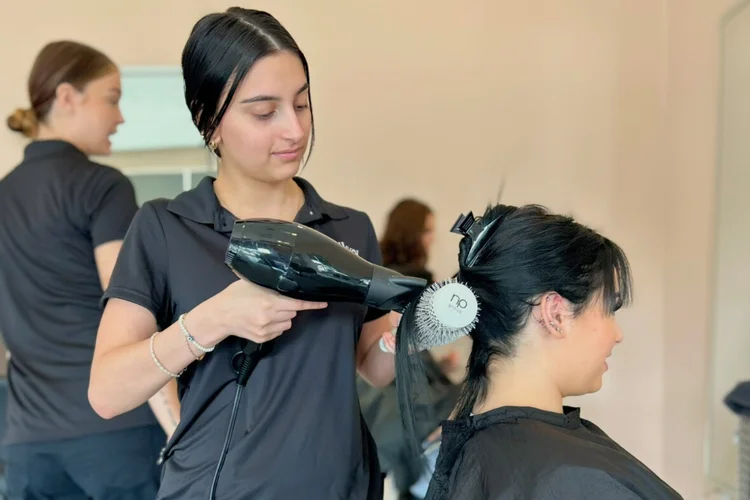
- Blowouts and thermal styling
- Formal styling and updos
You’ll also learn how to tailor each haircut to suit a client’s face shape, hair density, and lifestyle — an essential skill for modern salon professionals.
Explore Colour, Highlights & Chemical Services
Hair colouring services are among the most requested treatments in Canadian salons. A full hairstyling program includes:
- Colour theory and formulation
- Grey coverage techniques
- Balayage and highlights
- Toning and colour correction
- Fashion and creative colours
- Chemical texture services (perms and relaxers)
Colour correction, in particular, is a highly valuable skill that can set you apart in Ontario’s competitive salon market.
Build Real-World Salon Confidence
Hands-on training is essential in professional hairstyling education. At Chellsey Institute of Beauty & Health, students gain real salon experience by working with clients under the supervision of licensed instructors.
This practical experience helps students develop:
- Speed and efficiency
- Professional communication
- Client consultation techniques
- Retail product knowledge
- Time management skills
Graduates leave feeling job-ready and confident to enter Ontario’s beauty industry.
Stay Ahead of Hair Trends
Modern hairstyling programs also introduce students to:
- Bridal and event styling
- Editorial and runway-inspired looks
- Men’s grooming techniques
- Trend forecasting and portfolio building
With exposure to fashion-forward techniques, students can expand their career options into freelance styling, fashion shows, salon ownership, or specialized services.
Turn Your Passion into a Career
If you’re passionate about hair and ready to build a career in Ontario’s growing beauty industry, enrolling in a professional hairstyling diploma program is your first step.
With expert instruction, hands-on training, and industry-focused education, you can transform your creativity into a rewarding and in-demand profession.
Explore professional hairstyling courses today and start your journey toward becoming a licensed hairstylist in Canada.
Frequently Asked Questions (FAQs)
Most full-time hairstyling diploma programs in Ontario take approximately 44 weeks (around 1,500 hours) to complete, depending on the institution.
Yes. Hairstyling is a compulsory trade in Ontario, meaning you must complete approved training and pass the Certificate of Qualification (C of Q) exam.
Students learn haircutting, colouring, styling, chemical services, sanitation, client consultation, and salon professionalism.
Yes. Many graduates choose to work in salons first to gain experience, then open their own studios or freelance businesses.
Yes. The beauty industry in Ontario and across Canada continues to grow, offering stable career opportunities for trained and licensed hairstylists.