How PRP Therapy Works: Benefits Beyond Skin Rejuvenation
Written By Ahmed Rashed
Platelet-Rich Plasma (PRP) therapy has become one of the most in-demand treatments in medical aesthetics across Ontario and Canada. While many clients know PRP for its powerful anti-aging and skin rejuvenation benefits, this regenerative treatment goes far beyond improving skin texture. PRP therapy is widely used in aesthetics, hair restoration, and even sports medicine—making it a versatile and high-value procedure for licensed medical professionals.
As the demand for non-surgical, natural-looking treatments continues to grow in Toronto and across Canada, PRP therapy is becoming a staple service in medical spas and aesthetic clinics.
What Is PRP Therapy?
PRP (Platelet-Rich Plasma) therapy is a regenerative treatment that uses the client’s own blood to stimulate healing and tissue repair.
The process includes:
- Drawing a small amount of the client’s blood
- Placing it in a centrifuge to separate the platelet-rich plasma
- Extracting the concentrated plasma
- Re-injecting it into targeted treatment areas
Platelet-rich plasma contains growth factors and bioactive proteins that stimulate collagen production, cell regeneration, and tissue repair.
Because PRP uses the client’s own blood, the risk of allergic reaction is extremely low, making it a safe and natural treatment option when administered by trained professionals.
How PRP Therapy Works
Once injected into the skin or scalp, PRP triggers the body’s natural healing response. Growth factors signal surrounding cells to regenerate and repair tissue.
In facial aesthetic treatments, PRP helps:
- Improve skin texture
- Enhance skin tone
- Reduce fine lines
- Stimulate collagen production
- Promote overall skin rejuvenation
However, PRP therapy extends well beyond cosmetic facial treatments.
Benefits of PRP Therapy Beyond Skin Rejuvenation
- Hair Restoration
PRP is widely used for treating thinning hair and androgenic alopecia. When injected into the scalp, platelet-rich plasma stimulates hair follicles, improves blood supply, and encourages natural hair regrowth. PRP hair restoration is a popular non-surgical alternative in Canada for clients experiencing early-stage hair thinning.
- Scar Treatment
PRP therapy helps reduce the appearance of acne scars, surgical scars, and stretch marks. By boosting collagen and elastin production, PRP supports smoother, more even skin texture over time.
- Joint and Tissue Repair
Beyond aesthetics, PRP is commonly used in sports medicine and orthopedics. It supports healing of injured tendons, ligaments, and joints by accelerating the body’s natural repair process. This demonstrates the versatility and regenerative potential of platelet-rich plasma therapy.
Why Clients Choose PRP Therapy
Clients across Ontario and Canada are increasingly choosing PRP therapy because:
- It is non-surgical
- It uses their own biological material
- It has minimal downtime
- Results appear gradual and natural
- It supports long-term collagen stimulation
Modern aesthetic clients prefer treatments that enhance their natural features rather than dramatically altering them—making PRP an ideal solution.
Expanding Your Treatment Menu with PRP
For licensed healthcare professionals in Canada, adding PRP therapy to your injectable services can significantly increase clinic value and client retention.
A comprehensive PRP training program should include:
- Blood collection and centrifuge protocols
- Facial anatomy and injection techniques
- PRP for hair restoration
- Combination treatments (PRP with microneedling or injectables)
- Safety, sterility, and complication management
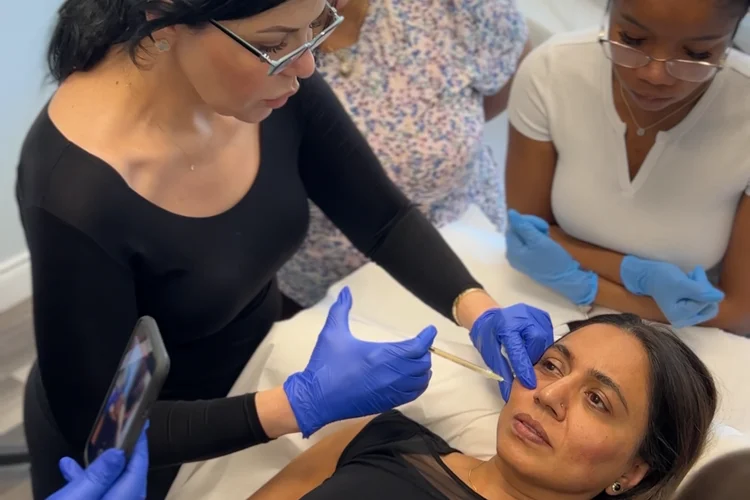
At Chellsey Institute of Beauty & Health, hands-on PRP and injectable training programs are designed for licensed medical professionals seeking to expand their expertise in regenerative aesthetics.
Thinking of Adding PRP to Your Practice?
With growing demand for natural, regenerative treatments in Toronto and across Canada, PRP therapy is becoming an essential skill for aesthetic practitioners.
Explore professional PRP and injectable training programs and elevate your aesthetic practice with science-backed regenerative techniques.
Frequently Asked Questions (FAQs)
Yes. PRP therapy is generally considered safe when performed by licensed and properly trained medical professionals, as it uses the patient’s own blood to stimulate healing.
Results vary depending on the treatment area. For facial rejuvenation, improvements can last several months, while hair restoration may require multiple sessions for optimal results.
Most clients require a series of 3–4 treatments spaced several weeks apart for best results, followed by maintenance sessions as recommended.
PRP therapy must be performed by licensed healthcare professionals such as Registered Nurses (RNs), Nurse Practitioners (NPs), or Medical Doctors (MDs), depending on provincial regulations.
Yes. PRP is often combined with microneedling, dermal fillers, or laser treatments to enhance collagen stimulation and overall results.