
How to Keep Hair Healthy in Winter: Tips Every Hairstyling Student Should Know
Winter weather can be especially harsh on hair, often leaving it dry, brittle, and prone to breakage. Cold outdoor temperatures combined with heated indoor environments create a cycle that strips moisture from both the hair and scalp. For hairstyling students and future professionals, understanding seasonal hair care is essential for delivering effective advice and maintaining healthy hair year-round.
Professional hairstylists who understand winter-specific hair challenges are better equipped to recommend the right products, techniques, and maintenance routines for their clients.
- Hydration Is the Foundation of Winter Hair Care
Cold air contains less humidity, causing hair to lose moisture more quickly during winter months. Hairstylists should recommend richer, more nourishing shampoos and conditioners that help restore hydration and strengthen the hair cuticle.
Look for products with ingredients such as:
- Argan oil
- Shea butter
- Keratin
- Hyaluronic acid
These ingredients help lock in moisture, improve elasticity, and reduce dryness.
- Reduce Heat Styling Whenever Possible
During winter, clients often rely more on blow dryers, straighteners, and curling irons. Excessive heat combined with dry air increases the risk of breakage and damage.
Hairstyling students should advise clients to:
- Use lower heat settings
- Always apply a heat-protectant spray
- Embrace heatless styling techniques when possible
Teaching clients how to style hair efficiently without excessive heat is a key professional skill.
- Don’t Skip Scalp Care
The scalp often becomes dry, itchy, or flaky in cold weather. A healthy scalp is essential for strong hair growth and overall hair health.
Recommended winter scalp-care practices include:
- Gentle exfoliation with scalp scrubs
- Hydrating scalp masks
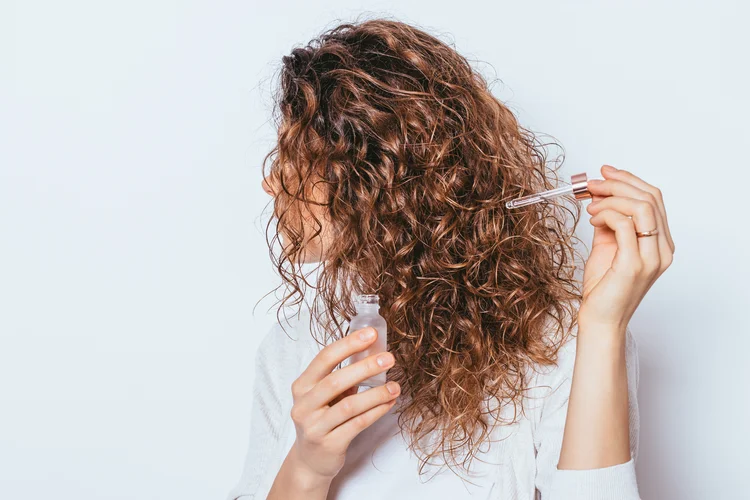
- Nourishing oils to restore moisture balance
Stylists should educate clients that scalp care is just as important as hair care.
- Protect Hair From Winter Elements
Hats, scarves, and hoods protect hair from wind, snow, and freezing temperatures. However, friction from winter accessories can cause frizz and breakage.
To reduce damage, hairstylists can recommend:
- Silk or satin-lined hats
- Loose-fitting scarves
- Protective hairstyles that minimize friction
These small changes help preserve smoothness and hydration.
- Deep Conditioning Treatments Are Essential
Weekly deep conditioning masks or professional in-salon treatments help replenish moisture lost during winter. Stylists should recommend treatments based on hair type, porosity, and condition.
Customizing conditioning treatments is a fundamental skill taught in professional hairstyling programs.
- Regular Trims Prevent Breakage
Split ends tend to worsen in winter due to dryness and friction. Regular trims every 6–8 weeks help prevent breakage and keep hair looking healthy and full.
Educating clients about preventative trims reinforces trust and long-term results.
Why Winter Hair Care Matters for Hairstylists
Winter hair care is not just about managing seasonal challenges—it’s an opportunity for hairstylists to demonstrate expertise, educate clients, and recommend personalized care plans that support long-term hair health.
Hairstyling students who understand seasonal hair science are better prepared to deliver professional results in any environment.
Frequently Asked Questions (FAQs)
Hair becomes drier in winter because cold air contains less moisture and indoor heating reduces humidity, causing hair and scalp to lose natural hydration.
Most hair types benefit from deep conditioning once a week during winter. Very dry or damaged hair may require more frequent treatments.
Yes. Heat styling can cause more damage in winter because hair is already dehydrated. Lower heat settings and heat protectants are essential.
Yes. A dry or irritated scalp can weaken hair growth. Regular scalp exfoliation and hydration support healthier hair during winter.
Hairstyling students should focus on hydration, scalp health, minimizing heat damage, and educating clients on protective winter routines.
The Hairstyling Diploma Program at Chellsey Institute teaches students cutting, coloring, styling, and hair-care science. Graduates learn how to assess hair and scalp conditions and recommend professional treatments in every season.