How to Become a Medical Aesthetician in Canada
The field of medical aesthetics in Canada continues to grow as clients increasingly seek advanced skincare solutions, laser treatments, and clinical-grade, non-surgical procedures. For individuals who want to work in a clinical aesthetic environment without performing injectables, becoming a medical aesthetician is a rewarding and in-demand career path.
Medical aestheticians combine skin science, technology, and client care to deliver results-driven treatments in medical and professional settings. Here’s what future professionals need to know to start their career in Canada.
- Understand the Role of a Medical Aesthetician
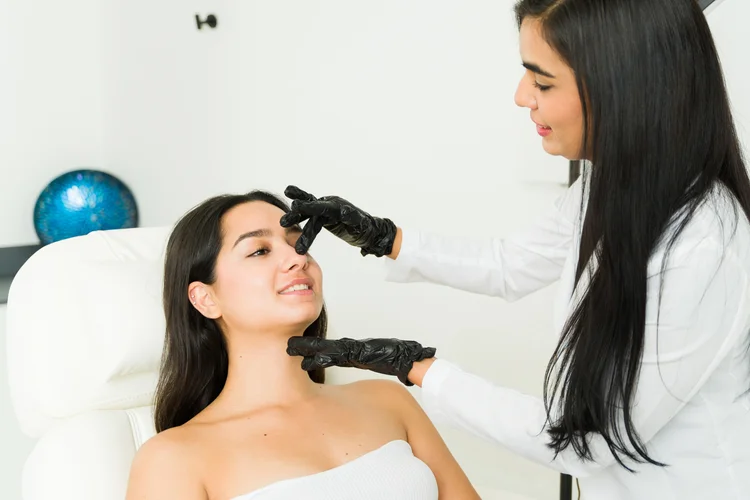
Medical aestheticians work in medical spas, dermatology clinics, laser clinics, and cosmetic or plastic surgery offices. Their role focuses on non-injectable, advanced aesthetic treatments.
Common responsibilities include:
- Advanced facials and chemical peels
- Microdermabrasion and microneedling
- Laser hair removal and laser skin rejuvenation
- Body contouring and energy-based device treatments
- Professional skin analysis and customized treatment plans
Medical aestheticians often collaborate with dermatologists, nurses, and medical directors to support client care and treatment outcomes.
- Complete a Recognized Training Program
Medical aesthetics is not federally regulated in Canada, but employers strongly prefer candidates who graduate from reputable, industry-recognized schools.
To become a medical aesthetician, students typically complete:
- Aesthetics Diploma (skincare fundamentals, facials, anatomy, product chemistry)
- Medical Aesthetics Diploma (laser technologies, clinical treatments, advanced modalities)
Programs usually range from a few months to one year, depending on curriculum depth and hands-on training hours.
- Gain Hands-On Clinical Experience
High-quality medical aesthetics programs include supervised, practical training with real models. This experience helps students build confidence and job-ready skills in:
- Laser operation and safety protocols
- Client consultations and contraindication assessment
- Treatment planning for different skin types and conditions
- Use of medical-grade and clinical aesthetic equipment
Hands-on experience is one of the most important factors employers look for when hiring.
- Earn Additional Certifications
Many medical aestheticians strengthen their careers by specializing in specific treatments. Popular certifications include:
- Laser hair removal
- Chemical peels
- Microneedling
- Advanced skincare therapies
- Medical spa and energy-based device technologies
Stacking certifications expands your treatment menu, increases employability, and supports long-term career growth.
- Build a Professional Portfolio
Before applying for jobs, new medical aestheticians should prepare a professional portfolio that includes:
- Before-and-after treatment photos
- Treatment notes or case studies
- A resume highlighting training hours, certifications, and modalities used
A strong portfolio demonstrates professionalism, skill level, and clinical understanding.
- Start Your Career in a Medical Aesthetic Setting
Graduates commonly work in:
- Medical spas and laser clinics
- Dermatology clinics
- Plastic surgery and cosmetic medicine offices
- Advanced skincare and wellness clinics
With experience, many medical aestheticians move into senior roles, independent practice, or open their own studios (subject to provincial regulations).
Frequently Asked Questions (FAQs)
Medical aesthetics is not federally regulated, but employers require proper training, certification, and adherence to provincial safety standards.
No. Injectables such as Botox and dermal fillers are performed by licensed medical professionals. Medical aestheticians focus on non-injectable treatments.
Training typically takes several months to one year, depending on the program structure and hands-on clinical hours.
Medical aestheticians work in medi-spas, laser clinics, dermatology offices, plastic surgery clinics, and advanced skincare centers.
Yes. Demand for advanced, non-surgical aesthetic treatments continues to grow, making medical aesthetics a stable and rewarding career path.
The Medical Aesthetician Diploma Program at Chellsey Institute is designed to prepare students with the clinical knowledge, hands-on experience, and professional skills needed to succeed in the industry.