Understanding Filler Complications & Safe Injection Training at Chellsey Institute of Beauty and Health
Written by Ahmed Rashed
Dermal fillers are one of the most in-demand non-surgical aesthetic treatments used to restore facial volume and enhance natural features. However, safety and proper training are essential to prevent and manage complications effectively.
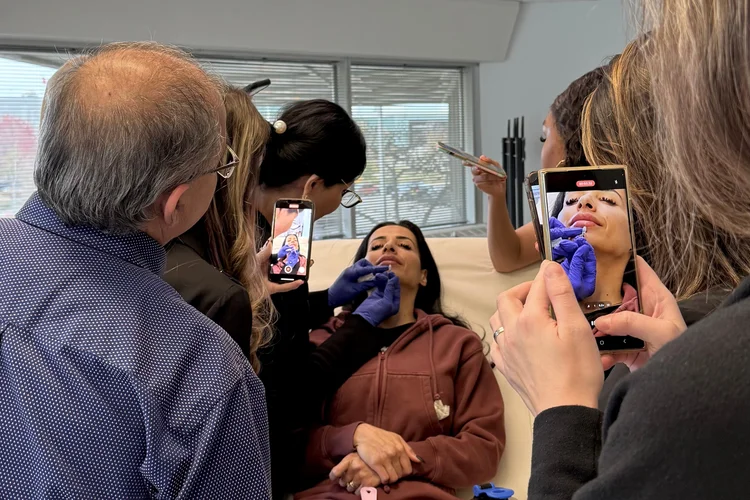
At Chellsey Institute of Beauty and Health, our filler training program focuses not only on injection techniques but also on complication prevention, risk management, and emergency response protocols to ensure safe and ethical practice.
What Are Dermal Filler Complications?
While dermal fillers are generally safe when administered by trained professionals, complications can still occur. Understanding these risks is critical for every aesthetic practitioner.
Common Filler Complications Include:
✔️ Bruising and Swelling
Temporary side effects that usually resolve within a few days.
✔️ Lumps and Uneven Texture
Often caused by incorrect injection depth, poor placement, or product migration.
✔️ Allergic Reactions
Rare but possible, depending on the client’s sensitivity to filler ingredients.
✔️ Infection
May occur if proper hygiene and sterile techniques are not followed.
✔️ Vascular Occlusion
A serious complication where filler blocks a blood vessel, potentially leading to skin damage or necrosis.
How Chellsey Institute Prepares You for Safe Filler Practice
At Chellsey Institute of Beauty and Health, our curriculum is structured to help students prevent, recognize, and manage filler-related complications confidently.
Our Training Includes:
✔️ Advanced Facial Anatomy Education
Students learn about critical vascular structures to reduce risk during injections.
✔️ Safe Injection Techniques
Proper placement, correct depth, and product control to minimize complications.
✔️ Complication Recognition & Early Intervention
Identifying warning signs early and applying appropriate corrective measures.
✔️ Emergency Protocol Training
Hands-on guidance on using hyaluronidase when filler dissolution is required.
✔️ Patient Consultation & Aftercare Education
Teaching clients about pre-treatment assessment and post-treatment care to reduce risk factors.
Who Can Enroll in This Training?
Our filler complication management program is ideal for:
✔️ Medical professionals (nurses, physicians, dentists)
✔️ Licensed aesthetic practitioners
✔️ Professionals committed to safe and ethical filler practices
Ongoing Support & Continuous Learning
We believe education does not stop after certification. Students at Chellsey Institute of Beauty and Health can re-attend training sessions for up to one year after completion, ensuring they stay updated on safety protocols and best practices.
Master Safe Filler Application with Confidence
Understanding filler complications is essential for every aesthetics professional. Training at Chellsey Institute of Beauty and Health equips you with the knowledge, safety skills, and confidence needed to perform dermal filler treatments responsibly.
📞 Contact us today to learn more about our comprehensive filler training programs and advance your expertise in aesthetic safety.
Frequently Asked Questions (FAQs)
Complication management ensures practitioners can quickly identify and treat issues like vascular occlusion, infection, or allergic reactions, protecting client safety.
It is a serious condition where filler blocks a blood vessel, potentially leading to skin damage if not treated promptly.
Yes, students are trained in emergency response procedures, including the use of hyaluronidase for filler dissolution when necessary.
While common, proper injection techniques and patient aftercare guidance significantly reduce their severity.
Medical professionals, licensed aesthetic practitioners, and individuals committed to ethical filler practices can enroll.
Yes, the program focuses on practical learning, safe injection techniques, and real-time complication recognition.
Yes, students can re-attend training sessions for up to one year after course completion for continued learning.