

Top Safety Protocols Every Injector Should Follow in Canada
- Comprehensive Patient Assessment
- Medical history
- Allergies and sensitivities
- Current medications
- Previous cosmetic procedures
- Autoimmune or neuromuscular conditions
- Pregnancy or breastfeeding status
- Strict Sanitation and Infection Control
- Proper hand hygiene
- Disinfecting treatment surfaces
- Using sterile, single-use needles and syringes
- Wearing appropriate personal protective equipment (PPE)
- Safe disposal of sharps in approved containers
- Use of Health Canada–Approved Products
- Verify product authenticity
- Store products according to manufacturer guidelines
- Understand dilution protocols
- Be familiar with product-specific characteristics
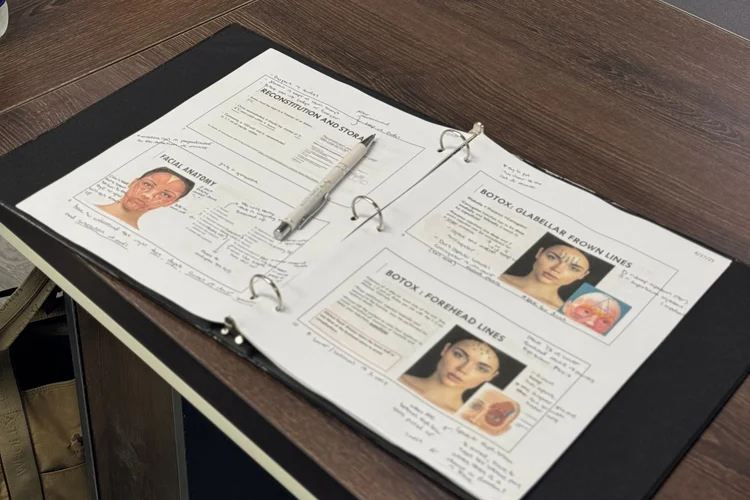
- Mastery of Facial Anatomy
- Vascular structures
- Nerve pathways
- Muscle positioning
- Depth and injection planes
- Emergency Preparedness and Complication Management
- Having hyaluronidase available for dermal filler complications
- Recognizing signs of vascular occlusion
- Knowing emergency referral procedures
- Maintaining CPR and emergency response certification
- Clear Communication and Informed Consent
- Set realistic expectations
- Explain potential risks and side effects
- Obtain written informed consent
- Provide detailed aftercare instructions
- Ongoing Education and Advanced Training
- Hands-on model training
- Complication prevention strategies
- Anatomy refreshers
- Updated regulatory standards
Frequently Asked Questions (FAQs)
Safety ensures positive outcomes, minimizes complications, protects patient health, and maintains professional credibility in Canada’s regulated medical aesthetics industry.
Injectors must use Health Canada–approved products such as licensed botulinum toxin brands and dermal fillers obtained from authorized distributors.
Injectors must follow established emergency protocols, including immediate assessment and the use of hyaluronidase if indicated, and refer the patient to emergency care if necessary.
By following strict infection prevention and control protocols, using sterile equipment, maintaining a clean treatment environment, and adhering to provincial health regulations.
Yes. Comprehensive training that includes anatomy, hands-on practice, and complication management is essential for safe and compliant practice in Ontario and across Canada.