

The Science Behind Botox®: What Every Injector Should Understand
Written by Ahmed Rashed
Essential Botox science and anatomy knowledge every aesthetic injector must understand for safe and effective treatments.
Botox® is one of the most widely performed aesthetic treatments globally, trusted for reducing dynamic wrinkles and enhancing facial balance. However, for injectors, achieving consistent and natural results requires more than technique alone—it requires understanding the underlying science of neuromodulators and facial anatomy.
Across Canada’s medical aesthetics field, practitioners who understand how botulinum toxin interacts with muscles and nerves are better equipped to deliver precise, safe, and predictable outcomes.
What Is Botox®?
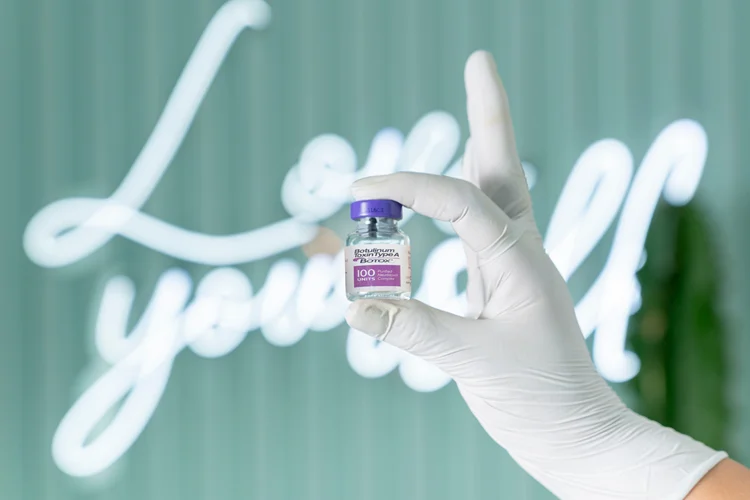
Botox® is the brand name for botulinum toxin type A, a purified neurotoxin derived from Clostridium botulinum. In controlled medical doses, it temporarily blocks nerve signals that stimulate muscle contraction.
This targeted muscle relaxation reduces dynamic wrinkles caused by repeated facial movement, such as frowning, smiling, or squinting. Common treatment areas include the glabella, forehead, and crow’s feet.
How Botox Works: Neuromuscular Mechanism
Botulinum toxin acts at the neuromuscular junction—the connection between nerve endings and muscle fibers. Normally, nerves release acetylcholine, a neurotransmitter that signals muscle contraction.
Botox blocks acetylcholine release, preventing the muscle from contracting. The relaxed muscle reduces tension on the overlying skin, softening expression lines.
Typical treatment timeline:
- Onset: 3–5 days
- Peak effect: 10–14 days
- Duration: ~3–4 months (varies by area and metabolism)
Understanding this mechanism helps injectors predict results and dosing intervals.
Why Facial Anatomy Knowledge Is Critical
Safe Botox treatment depends on precise placement relative to muscle depth, function, and surrounding structures. Even small positional differences can affect outcomes.
Injectors must understand:
- Muscle anatomy (frontalis, corrugator, orbicularis oculi)
- Muscle action and vector direction
- Vascular and nerve pathways
- Safe injection depth and plane
- High-risk zones (brow, eyelid)
Accurate anatomical knowledge prevents complications such as asymmetry or eyelid ptosis.
Safe Injection and Dosing Principles
Scientific understanding also informs dilution, dose, and injection technique. Proper dosing balances wrinkle reduction with natural facial movement.
Key safety considerations include:
- Avoiding over-injection or diffusion
- Correct injection depth and angle
- Appropriate unit calculation
- Respecting muscle boundaries
- Post-treatment care instructions
These principles maintain natural expression and minimize adverse effects.
Clinical Training in Botox Science
Understanding neuromodulator science is a core component of professional injectables education. At Chellsey Institute of Beauty & Health in Mississauga, Botox® and Dermal Filler certification programs include anatomy review, pharmacology basics, and supervised hands-on practice.
This structured training prepares practitioners to apply scientific knowledge to safe aesthetic treatment across Ontario and Canada.
Science as the Foundation of Precision Injecting
Successful Botox treatment relies on understanding how neuromodulators interact with anatomy and physiology. By combining scientific knowledge with technical skill, injectors achieve balanced, natural, and safe aesthetic outcomes.
Explore Chellsey Institute Botox® & Dermal Fillers Certification Program
Frequently Asked Questions (FAQs)
It blocks nerve signals that cause muscle contraction, leading to temporary relaxation and wrinkle reduction.
Initial effects appear in 3–5 days, with peak results around 10–14 days.
Precise placement relative to muscles and nerves prevents asymmetry and complications.
Yes. Diffusion can occur if placement or aftercare is improper, affecting nearby muscles.
Yes. Certified training covers anatomy, dosing, safety, and injection technique.