

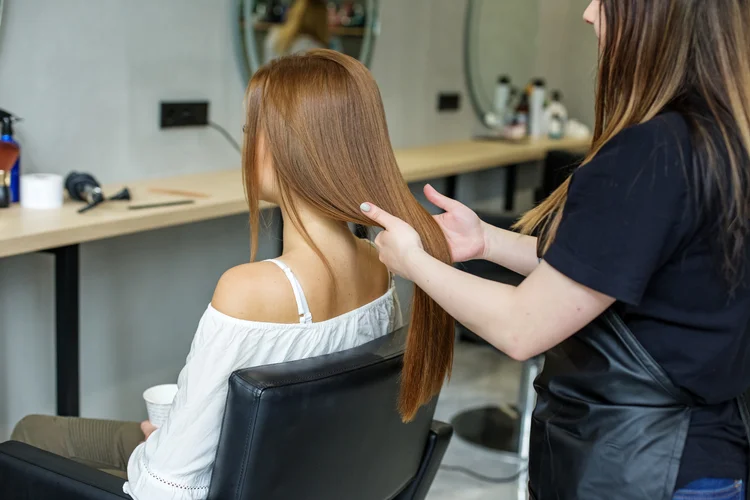
How to Master Client Consultations for Perfect Hairstyles Every Time
Written by Ahmed Rashed
Behind every successful haircut, colour, or style is a thorough client consultation. In Canada’s competitive salon industry—especially across Ontario and Toronto—strong consultation skills are what separate average hairstylists from trusted professionals. A well-conducted consultation ensures the client’s expectations align with realistic results, hair health is protected, and long-term stylist-client relationships are built.
At Chellsey Institute of Beauty & Health (Mississauga, Ontario), hairstyling students are trained not only in cutting, colouring, and styling techniques, but also in professional communication and client assessment. Mastering consultations allows stylists to deliver personalized results and build loyal clientele throughout their careers.
Why Client Consultations Matter in Hairstyling
A detailed consultation is the foundation of every successful salon service. It reduces misunderstandings, improves satisfaction, and supports repeat visits—key factors for hairstylists working in Ontario salons.
Effective consultations help:
- Understand client goals and preferences
- Assess hair condition and limitations
- Prevent unrealistic expectations
- Recommend suitable styles or colours
- Build trust and loyalty
Stylists who communicate clearly and confidently are more likely to retain clients and grow their reputation in Toronto’s salon market.
- Listen First, Then Ask the Right Questions
The consultation should begin with active listening. Allow the client to explain what they want and what they dislike about their current hairstyle before offering suggestions.
Useful consultation questions include:
- What do you like or dislike about your current hair?
- How much time do you spend styling daily?
- Have you had chemical services before?
- What level of maintenance do you prefer?
Understanding lifestyle, styling habits, and expectations ensures the result fits the client’s routine.
- Analyze Hair and Scalp Condition
Professional stylists assess the hair before confirming any service. Texture, density, porosity, growth patterns, and scalp health all influence what styles or colours are achievable.
Key analysis factors:
- Hair thickness and density
- Natural texture or curl pattern
- Previous colour or chemical history
- Hair health and damage level
- Scalp condition
This assessment helps determine feasibility and protects hair integrity.
- Set Clear and Honest Expectations
Clients often bring inspiration photos that may not match their hair type or condition. A skilled stylist explains what is achievable and what may require multiple sessions.
To align expectations:
- Explain realistic outcomes
- Discuss processing time or sessions
- Address hair health considerations
- Use visual references or examples
Transparent communication prevents disappointment and builds professional credibility.
- Personalize Style Recommendations
Great hairstylists go beyond trends to recommend styles suited to the individual. Face shape, skin tone, lifestyle, and maintenance tolerance should guide suggestions.
Considerations include:
- Face shape balance
- Colour harmony with skin tone
- Hair texture suitability
- Lifestyle and upkeep level
- Professional or personal image goals
Clients value stylists who prioritize what suits them—not just what is fashionable.
- Document and Follow Up
Professional consultation records improve service consistency and client experience. Notes and photos help replicate successful styles and track hair changes over time.
Good practice includes:
- Recording formulas and techniques
- Taking before/after photos
- Noting preferences and concerns
- Following up after major changes
This level of professionalism strengthens trust and encourages long-term loyalty.
Build Strong Client Relationships as a Hairstylist in Canada
In Ontario’s salon industry, technical skill alone is not enough—client connection and communication are equally important. Stylists who master consultations deliver better results, gain repeat clients, and grow their careers faster.
At Chellsey Institute, hairstyling students develop both technical expertise and consultation confidence through real-client practice and instructor guidance, preparing them for success in Canadian salons.
Explore our Hairstyling Diploma Program:
https://www.chellseyinstitute.ca/programs/hairstyling
Start your journey toward becoming a trusted hairstylist who delivers perfect, personalized results every time.
Frequently Asked Questions (FAQs)
It ensures the client’s expectations, hair condition, and achievable results are aligned before the service begins.
Questions about lifestyle, maintenance preference, hair history, and desired outcome help determine suitable styles.
Through professional hair analysis including texture, density, condition, and previous chemical treatments.
Yes. Professional hairstyling programs in Canada include client consultation and communication training.
They improve client satisfaction, prevent misunderstandings, and build long-term salon relationships.