From Nurse to Injector: What to Expect
Written by Ahmed Rashed
A complete guide for nurses transitioning into medical aesthetics and cosmetic injectables in Canada.
If you’re a nurse considering a career transition into medical aesthetics, you’re not alone. Across Canada, more nurses are entering the growing field of cosmetic injectables to combine clinical expertise with artistry, client care, and flexible career opportunities.
Becoming a cosmetic injector allows nursing professionals to apply their medical knowledge in a new setting focused on aesthetic outcomes and patient confidence. With proper training and certification, nurses can successfully transition into this rewarding and in-demand specialty.
Using Your Nursing Skills in Aesthetic Medicine
Nurses already possess many of the core competencies required in injectables practice, including patient safety, anatomy knowledge, sterile technique, and injection experience. These transferable skills create a strong clinical foundation for aesthetic treatments such as Botox and dermal fillers.
In aesthetic medicine, nurses continue helping clients—but with a focus on facial rejuvenation, confidence, and appearance-related goals. The role combines medical precision with personalized aesthetic assessment and treatment planning.
Getting Certified in Botox and Dermal Fillers
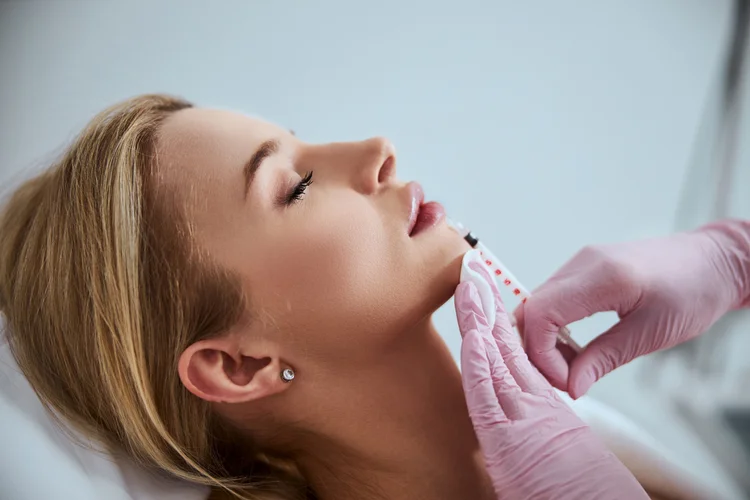
To perform cosmetic injectables legally and safely in Canada, nurses must complete accredited training in botulinum toxin and dermal fillers. Specialized certification programs teach both theoretical knowledge and supervised clinical practice.
Injectables training typically includes:
- Facial anatomy and aging patterns
- Injection techniques and product placement
- Client assessment and consultation
- Complication prevention and management
- Hands-on injections on live models
At Chellsey Institute in Mississauga, injectables certification courses are designed specifically for licensed healthcare professionals transitioning into aesthetic practice.
Career Opportunities After Injector Training
Certified nurse injectors can work in a variety of aesthetic and medical environments. Common career settings include:
- Medical spas and aesthetic clinics
- Dermatology or plastic surgery practices
- Cosmetic and laser clinics
- Physician-led aesthetic centers
- Independent or mobile practice (per regulations)
Many nurses are drawn to aesthetics for improved work–life balance, flexible scheduling, and the opportunity to build long-term client relationships in a non-hospital setting.
Growth of Medical Aesthetics in Canada
Demand for non-surgical cosmetic treatments such as Botox and dermal fillers continues to rise across Canada. As awareness and acceptance of aesthetic procedures increase, trained injectors are increasingly sought after in clinics and med-spas.
This industry growth makes aesthetic nursing one of the fastest-expanding career paths for healthcare professionals seeking new opportunities outside traditional clinical roles.
Training at Chellsey Institute
Chellsey Institute’s injectables programs provide structured theory, safety training, and supervised hands-on experience to support nurses transitioning into aesthetics. Small class sizes, expert instructors, and post-training guidance help participants build confidence in real clinical settings.
Graduates are prepared to begin or expand aesthetic careers across Ontario and Canada with strong technical and consultation skills.
Transitioning From Nurse to Injector
Moving from nursing to aesthetic injectables is a natural progression for professionals interested in combining medical knowledge with artistry and client-centered care. With proper certification and practical experience, nurses can enter a flexible, creative, and rapidly growing healthcare specialty.
Explore Chellsey Institute Injectables Training Programs
Frequently Asked Questions (FAQs)
Yes. Licensed nurses (RN/RPN) can perform Botox and dermal filler injections after completing approved training and working within provincial regulations.
Yes. Specialized Botox and dermal filler training is required to ensure safe, competent, and legally compliant practice.
Many nurses choose aesthetics for flexible schedules, higher earning potential, and a less acute clinical environment while still using medical skills.
Medical spas, dermatology clinics, plastic surgery practices, cosmetic clinics, or independent practice where permitted.
Yes. Non-surgical cosmetic procedures continue to increase, creating strong demand for trained aesthetic injectors nationwide.