Color Correction Basics: What Every Hairstylist Should Learn
Written by Ahmed Rashed
Essential color correction skills every professional hairstylist needs to fix uneven, brassy, or over-processed hair safely and effectively.
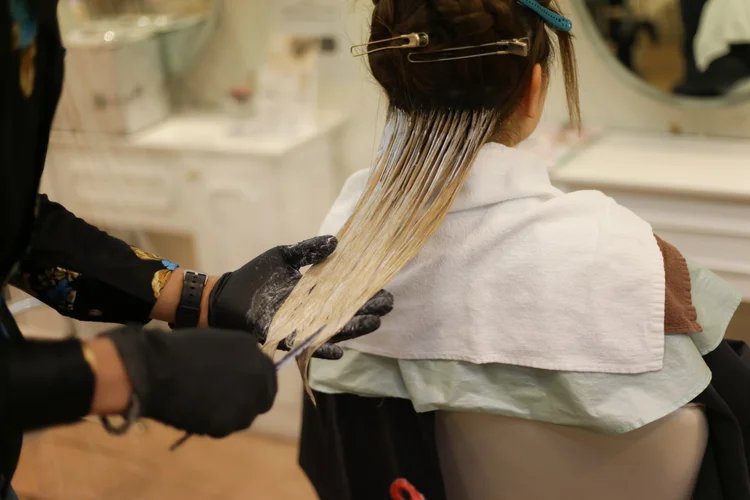
In professional hairstyling, color correction is one of the most technically demanding yet rewarding services. Clients frequently seek help after box dye mistakes, uneven salon color, excessive lightening, or unwanted tones. Successfully correcting these issues requires a strong understanding of color theory, hair structure, and realistic treatment planning.
As demand for advanced hair color services grows across Canada’s salon industry, stylists who master correction techniques position themselves as trusted professionals capable of solving complex hair challenges.
Why Color Correction Skills Are Essential
Color correction goes beyond simply recoloring hair—it involves analyzing existing pigment, underlying undertones, and hair condition to achieve a balanced, healthy result. Common correction scenarios include:
- Brassiness after lightening
- Uneven or patchy color bands
- Box dye buildup or dark staining
- Over-processed or damaged hair
- Unwanted red, orange, or yellow tones
Because these situations require technical expertise and careful processing, color correction is considered a premium, high-skill salon service.
Start With a Professional Consultation
Successful correction begins with a detailed consultation and hair history assessment. Understanding previous chemical services, at-home color use, and the client’s final goal allows the stylist to plan safe and realistic steps.
A proper consultation should evaluate:
- Previous color applications and timing
- Hair texture, porosity, and elasticity
- Current tone level and banding
- Chemical damage or breakage risk
- Desired target shade and timeline
This diagnostic stage determines whether correction can be performed immediately or must be staged across sessions.
Understanding the Color Wheel in Correction
Color theory is the foundation of all correction work. Neutralizing unwanted undertones requires applying the opposite tone on the color wheel:
- Orange tones → neutralized with blue
- Yellow tones → neutralized with violet
- Red tones → neutralized with green
Rather than covering unwanted tones, professional correction balances underlying pigment to achieve a natural, even result.
Assess Hair Health Before Chemical Work
Hair condition directly determines what correction processes are safe. Over-lightened or chemically weakened hair may not tolerate further lifting or pigment removal. In such cases, restorative treatments must precede correction.
Stylists should evaluate:
- Porosity and moisture retention
- Elasticity and strength
- Breakage or structural damage
- Previous bleaching intensity
Prioritizing structural integrity ensures color longevity and prevents further damage during correction.
Managing Client Expectations
Color correction rarely happens in a single appointment—especially when transitioning from dark to light or correcting heavy pigment buildup. Educating clients about timelines and staged processes builds trust and satisfaction.
Clients should understand:
- Multiple sessions may be required
- Gradual lightening is safer than aggressive lifting
- Tone refinement occurs progressively
- Hair health limits speed of change
Clear communication prevents disappointment and positions the stylist as a responsible professional.
Prioritizing Hair Integrity During Correction
Maintaining hair health throughout correction ensures both appearance and color retention. Professional correction services incorporate protective and reparative care, including:
- Bond-building treatments
- Deep conditioning systems
- Gentle or low-ammonia formulations
- Controlled processing times
Healthy hair reflects light evenly and holds pigment more effectively, producing superior color results.
Professional Color Training at Chellsey Institute
At Chellsey Institute in Mississauga, the Hairstyling Diploma Program provides comprehensive education in color theory, correction techniques, and hair health management. Students learn how to analyze color problems, plan correction strategies, and safely restore balanced tone and condition.
Hands-on training prepares hairstylists to confidently perform corrective color services in professional salons across Ontario and Canada.
Turning Color Challenges Into Career Opportunities
Color correction transforms complex hair problems into opportunities for expertise and client loyalty. Stylists skilled in corrective color are highly valued in modern salons, where clients seek professionals capable of fixing previous color mistakes safely and beautifully.
Frequently Asked Questions (FAQs)
Color correction is the process of fixing unwanted tones, uneven color, or damage from previous coloring using professional color theory and techniques.
No. Many corrections require multiple appointments to safely achieve the desired tone while maintaining hair health.
It guides tone neutralization—opposite colors cancel unwanted undertones such as brassiness or redness.
By evaluating porosity, elasticity, chemical damage, and previous color history before applying corrective processes.
Yes. It requires advanced expertise and time, making it one of the most premium and in-demand hair services.