The Importance of Skin Analysis Before Any Aesthetic Treatment
Written by Ahmed Rashed
Why professional skin assessment is the foundation of safe and effective aesthetic treatments in modern skincare practice.
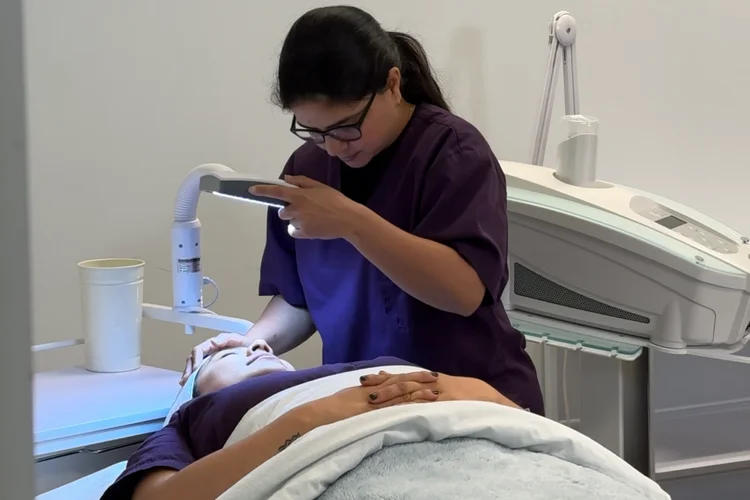
In professional aesthetics, every successful treatment begins with a thorough skin analysis. Before recommending facials, chemical peels, or advanced therapies, aestheticians must understand the client’s skin type, condition, and underlying concerns. This diagnostic step ensures treatments are safe, personalized, and results-driven.
At Chellsey Institute of Beauty & Health, students are trained to prioritize skin assessment from the first client interaction, recognizing that accurate analysis is essential for achieving optimal aesthetic outcomes across Canada’s skincare industry.
Why Skin Analysis Matters in Aesthetic Practice
Skin analysis allows practitioners to evaluate suitability for treatments and identify potential risks before procedures are performed. Proper assessment supports both client safety and treatment effectiveness.
Professional skin analysis helps ensure:
- Identification of contraindications or sensitivities
- Customized treatment selection
- Appropriate product recommendations
- Safe procedure planning
- Baseline documentation for progress tracking
This structured evaluation prevents adverse reactions and improves overall treatment results.
Assessing Skin Type, Condition, and Contributing Factors
Modern skin analysis goes beyond surface observation. Aestheticians assess multiple biological and lifestyle factors that influence how skin responds to treatment.
Key assessment components include:
- Skin type (oily, dry, combination, sensitive)
- Skin conditions (acne, pigmentation, aging, dehydration)
- Barrier integrity and hydration level
- Sun exposure history
- Skincare routine and product use
- Lifestyle factors such as diet and environment
Understanding these variables allows professionals to design safe and effective treatment plans.
Supporting Personalization and Treatment Planning
Every client’s skin responds differently to aesthetic procedures. Skin analysis enables aestheticians to tailor treatment intensity, modality, and frequency according to individual needs.
Personalized planning may include:
- Selecting appropriate facial protocols
- Determining peel depth or type
- Adjusting microneedling intensity
- Choosing active ingredients
- Scheduling treatment intervals
Customization improves both safety and visible outcomes.
Building Client Trust and Confidence
Clients feel more confident when treatments are clearly based on professional assessment rather than generic recommendations. Demonstrating analytical expertise reinforces credibility and professionalism.
Skin analysis consultation helps:
- Educate clients about their skin
- Explain treatment rationale
- Set realistic expectations
- Strengthen practitioner–client trust
- Improve long-term loyalty
Trust built through assessment leads to stronger relationships and retention.
Skin Analysis Training at Chellsey Institute
Chellsey Institute programs in Mississauga emphasize skin analysis from foundational facials to advanced treatments. Students learn to assess skin types, use professional diagnostic tools, and design treatment plans aligned with clinical skincare standards in Canada.
Graduates understand that effective facials, chemical peels, and advanced therapies all begin with accurate skin evaluation.
The Foundation of Safe and Effective Aesthetics
Skin analysis is not an optional step—it is the cornerstone of professional aesthetic practice. By evaluating skin characteristics, risks, and goals before treatment, aestheticians ensure safe procedures, personalized care, and measurable results.
Explore Chellsey Institute Aesthetics and Skincare Programs
Frequently Asked Questions (FAQs)
It identifies skin type, conditions, and contraindications to ensure safe and effective treatment selection.
Skin type, hydration, sensitivity, pigmentation, aging signs, lifestyle factors, and treatment suitability.
Yes. Personalized planning based on analysis leads to better and safer outcomes.
Yes. Professional skincare programs teach diagnostic assessment and treatment planning.
Yes. Baseline assessment allows comparison and monitoring of improvement over time.