Chemical Peels: A Must-Have Skill for Aestheticians
Written by Ahmed Rashed
Why chemical peel training is essential for modern skincare professionals in Canada’s growing aesthetics industry.
In professional skincare and medical aesthetics, few treatments deliver results as consistently and visibly as chemical peels. From acne and hyperpigmentation to fine lines and uneven texture, properly selected and applied peels can significantly improve skin clarity, tone, and overall rejuvenation.
As client expectations continue to rise across Canada’s med-spa and clinical skincare sector, mastering chemical peels has become a core competency for aestheticians rather than an optional add-on. Professionals who understand peel science, skin assessment, and safe application techniques are better equipped to deliver corrective results and long-term skin health improvements.
Why Chemical Peels Matter in Skincare
Chemical peels use controlled exfoliating acids to remove damaged outer skin layers and stimulate renewal. Depending on formulation and depth, they can improve multiple common skin concerns, including:
- Acne and acne scarring
- Hyperpigmentation and uneven tone
- Sun damage and melasma
- Fine lines and early aging signs
- Rough texture and enlarged pores
Because many peel treatments involve minimal downtime with progressive improvement, they remain among the most requested aesthetic services in clinics and spas throughout Canada.
A Core Clinical Skill for Modern Aestheticians
Today’s skincare clients are informed and results-focused. They expect customized, corrective treatments—not only relaxation facials. Safe chemical peel delivery requires structured clinical knowledge and professional judgment.
Key competencies aestheticians gain through peel training include:
- Skin type and condition assessment
- Acid selection and peel depth control
- Indications and contraindications
- Treatment planning and layering
- Pre- and post-care protocols
These skills allow practitioners to design targeted treatment programs for acne, pigmentation, aging, and texture concerns while maintaining safety and efficacy.
Career and Business Benefits of Chemical Peel Training
Adding chemical peels to an aesthetic practice expands both treatment capability and revenue potential. Advanced corrective services carry higher value and integrate easily into long-term skincare programs.
Chemical peel certification helps aestheticians:
- Offer advanced, results-driven treatments
- Increase service pricing and profitability
- Build client trust and retention
- Differentiate in competitive med-spa markets
- Expand career opportunities in clinical aesthetics
With Canada’s medical aesthetics industry growing rapidly, these advanced skills position professionals for long-term success.
Chemical Peel Certification at Chellsey Institute
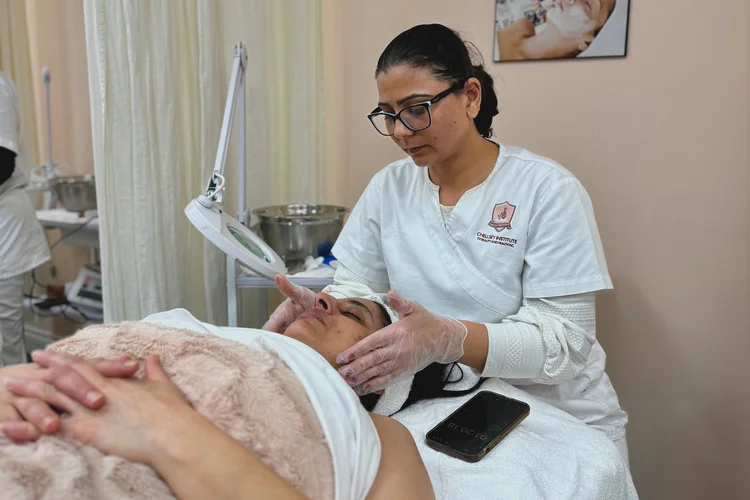
At Chellsey Institute in Mississauga, the Chemical Peel Certificate program combines theory with supervised practical training to ensure confidence and safety in professional practice. Participants learn:
- Types of chemical peels and indications
- Fitzpatrick skin typing and assessment
- Treatment protocols for common concerns
- Application techniques and safety measures
- Client consultation and aftercare guidance
Hands-on training ensures graduates are prepared to perform chemical peel treatments effectively in spa or clinical environments across Ontario and Canada.
Advance Your Skincare Career With Chemical Peel Training
As demand for non-invasive skin correction and rejuvenation continues to grow, chemical peel expertise remains one of the most valuable skills for aestheticians. Professionals trained in advanced exfoliation and skin renewal techniques are better positioned to deliver visible results and succeed in modern aesthetic practice.
👉 Explore Chellsey Institute Aesthetics Certificate Programs
Frequently Asked Questions (FAQs)
They treat multiple skin concerns—including acne, pigmentation, and aging—making them one of the most versatile and results-driven skincare treatments.
Yes. Proper training ensures correct acid choice, depth control, and complication prevention for safe professional treatments.
Yes. Peels are typically performed in treatment series and maintenance programs, encouraging repeat visits and long-term skincare plans.
Aestheticians and skincare professionals who want to provide advanced corrective treatments and expand clinical expertise.
Yes. With increasing interest in non-invasive skin rejuvenation, chemical peels remain highly requested in Canadian med-spas and clinics.