Top Safety Protocols Every Injector Should Follow in Canada

Written By Ahmed RashedIn the world of medical aesthetics in Ontario and across Canada, safety is the foundation of every successful injectable practice. Clients trust aesthetic injectors not only to enhance their appearance with treatments such as Botox®, dermal fillers, PRP, and other non-surgical procedures—but also to protect their health and well-being.Whether you are a new injector entering the medical aesthetics industry or an experienced practitioner refining your protocols, following strict safety standards is essential for regulatory compliance, patient satisfaction, and professional credibility.Here are the top safety protocols every injector in Canada should prioritize.
  1. Comprehensive Patient Assessment
Before performing any injectable treatment, conduct a thorough medical consultation.This includes reviewing:
  • Medical history
  • Allergies and sensitivities
  • Current medications
  • Previous cosmetic procedures
  • Autoimmune or neuromuscular conditions
  • Pregnancy or breastfeeding status
A detailed assessment helps identify contraindications and ensures that the treatment plan is safe and appropriate for the client.
  1. Strict Sanitation and Infection Control
Maintaining a sterile clinical environment is critical in preventing infection and cross-contamination.Best practices include:
  • Proper hand hygiene
  • Disinfecting treatment surfaces
  • Using sterile, single-use needles and syringes
  • Wearing appropriate personal protective equipment (PPE)
  • Safe disposal of sharps in approved containers
In Ontario, injectors must follow provincial infection prevention and control (IPAC) guidelines.
  1. Use of Health Canada–Approved Products
Only use injectable products that are approved by Health Canada and sourced from authorized distributors.Injectors should:
  • Verify product authenticity
  • Store products according to manufacturer guidelines
  • Understand dilution protocols
  • Be familiar with product-specific characteristics
Using counterfeit or improperly stored injectables poses serious safety risks and legal consequences.
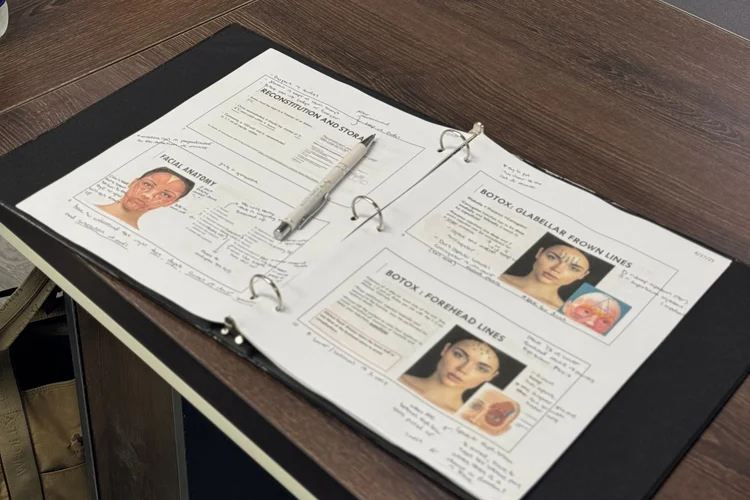
  1. Mastery of Facial Anatomy
An in-depth understanding of facial anatomy is essential for safe injection techniques.Knowledge of:
  • Vascular structures
  • Nerve pathways
  • Muscle positioning
  • Depth and injection planes
reduces the risk of complications such as vascular occlusion, tissue necrosis, or nerve injury.Anatomical precision is a core component of professional injectables training in Canada.
  1. Emergency Preparedness and Complication Management
Even with proper technique, complications can occur. Every injector should have clear emergency protocols in place.This includes:
  • Having hyaluronidase available for dermal filler complications
  • Recognizing signs of vascular occlusion
  • Knowing emergency referral procedures
  • Maintaining CPR and emergency response certification
Preparedness demonstrates professionalism and protects patient safety.
  1. Clear Communication and Informed Consent
Client education plays a major role in safety. Before treatment:
  • Set realistic expectations
  • Explain potential risks and side effects
  • Obtain written informed consent
  • Provide detailed aftercare instructions
Well-informed clients are more likely to follow post-treatment guidelines, reducing complications and improving satisfaction.
  1. Ongoing Education and Advanced Training
The medical aesthetics industry continues to evolve with new techniques, products, and safety standards. Continuous professional development ensures injectors stay compliant and competent.Advanced injectable certification programs should include:
  • Hands-on model training
  • Complication prevention strategies
  • Anatomy refreshers
  • Updated regulatory standards
At Chellsey Institute of Beauty & Health, Injectable Certificate Programs are designed to equip licensed medical professionals in Ontario and across Canada with the clinical knowledge, confidence, and practical skills required to perform treatments safely and effectively.Because in aesthetics, safety is not optional—it is the foundation of trust.

Frequently Asked Questions (FAQs)

Safety ensures positive outcomes, minimizes complications, protects patient health, and maintains professional credibility in Canada’s regulated medical aesthetics industry.

Injectors must use Health Canada–approved products such as licensed botulinum toxin brands and dermal fillers obtained from authorized distributors.

Injectors must follow established emergency protocols, including immediate assessment and the use of hyaluronidase if indicated, and refer the patient to emergency care if necessary.

By following strict infection prevention and control protocols, using sterile equipment, maintaining a clean treatment environment, and adhering to provincial health regulations.

Yes. Comprehensive training that includes anatomy, hands-on practice, and complication management is essential for safe and compliant practice in Ontario and across Canada.

Add a Comment

Your email address will not be published.