Top 3 Myths About Dermal Fillers — Debunked
Written by Ahmed Rashed
Understanding the facts about dermal fillers and modern injectable treatments in aesthetic medicine.
Dermal fillers are among the most popular non-surgical cosmetic treatments worldwide, used to restore volume, enhance contours, and rejuvenate facial features. Despite their widespread use, misconceptions still exist among both new injectors and potential clients. Separating myths from scientific reality is essential for informed decisions and safe aesthetic practice.
Across Canada’s growing injectables field, trained practitioners understand that modern dermal filler treatments focus on natural balance, structural support, and personalized outcomes rather than exaggerated change.
Myth 1: Fillers Make You Look Fake or Overdone
Truth: Properly placed dermal fillers enhance natural features rather than distort them.
Modern aesthetic techniques emphasize subtle volume restoration and facial harmony. Skilled injectors use conservative dosing and anatomical placement to refresh appearance without altering identity. The goal is rejuvenation—not transformation.
When performed correctly, filler results are often described as looking rested or refreshed rather than “done.”
Myth 2: Fillers Are Only for Lips or Wrinkles
Truth: Dermal fillers are versatile structural treatments used across multiple facial areas.
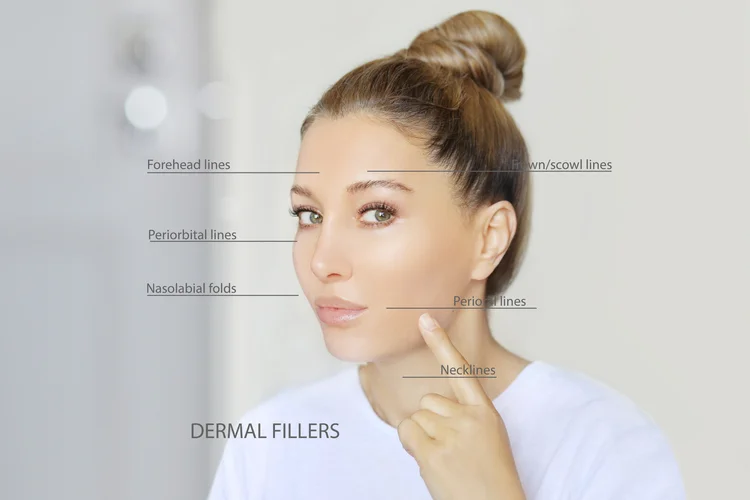
Beyond lips and smile lines, fillers can:
- Restore cheek volume
- Contour jawline and chin
- Improve under-eye hollows
- Enhance facial symmetry
- Rejuvenate aging hands
Many modern fillers also stimulate collagen production, contributing to gradual skin quality improvement. Filler treatment is therefore about structure, balance, and support—not simply plumping.
Myth 3: Fillers Are Permanent and Irreversible
Truth: Most fillers used today are hyaluronic acid (HA)–based and temporary.
HA is a substance naturally present in the skin. HA fillers gradually break down over time and can also be dissolved using hyaluronidase if adjustment is needed.
This reversibility makes HA fillers one of the safest and most adaptable aesthetic treatments for both new and experienced clients.
Why Understanding Filler Science Matters
Accurate knowledge of filler composition, longevity, and anatomical placement allows injectors to deliver predictable and safe results. Education also helps practitioners counsel clients realistically and address concerns about safety or appearance.
Proper training ensures:
- Natural aesthetic outcomes
- Safe injection technique
- Correct product selection
- Complication management readiness
- Ethical treatment planning
Dermal Filler Training at Chellsey Institute
At Chellsey Institute of Beauty & Health in Mississauga, dermal filler certification programs teach facial anatomy, product science, injection techniques, and complication management. Students gain supervised hands-on experience to deliver balanced, natural-looking results in clinical practice across Ontario and Canada.
Confidence Through Knowledge
Understanding the science and versatility of dermal fillers helps dispel myths and supports safe aesthetic decisions. With proper training and technique, fillers enhance facial harmony while maintaining natural expression.
Explore Chellsey Institute Dermal Fillers Certification Course
Frequently Asked Questions (FAQs)
No. When placed conservatively by trained injectors, fillers create subtle, natural-looking enhancement.
No. They are used for cheeks, jawline, chin, under-eyes, and other structural areas.
Most are temporary hyaluronic acid fillers that naturally dissolve over time.
Yes. HA fillers can be dissolved with hyaluronidase if needed.
Some fillers stimulate collagen, supporting gradual skin improvement.